By Taffy Kamjaya, Surabaya, Indonesia
This wasn’t my first rodeo on this red dirt wonderland. Far from the city’s hustle and bustle, away from the roar of car engines, and—get this—even out of reach of a phone signal, which is a proper shock for a Gen-Z like me. I’m no seasoned bushwacker, but crikey, the views out here blew me away! Picture this: endless stretches of brick-red earth, dotted with spiky plants, sage-green shrubs that look like they’ve been dusted with icing sugar, and tall trees with ghostly grey-white trunks standing proud under the big blue sky, and kangaroos hopping about like this is their own housing estate!
Our team? Absolute legends, every single one of them, and I’m chuffed to bits to be part of the crew.
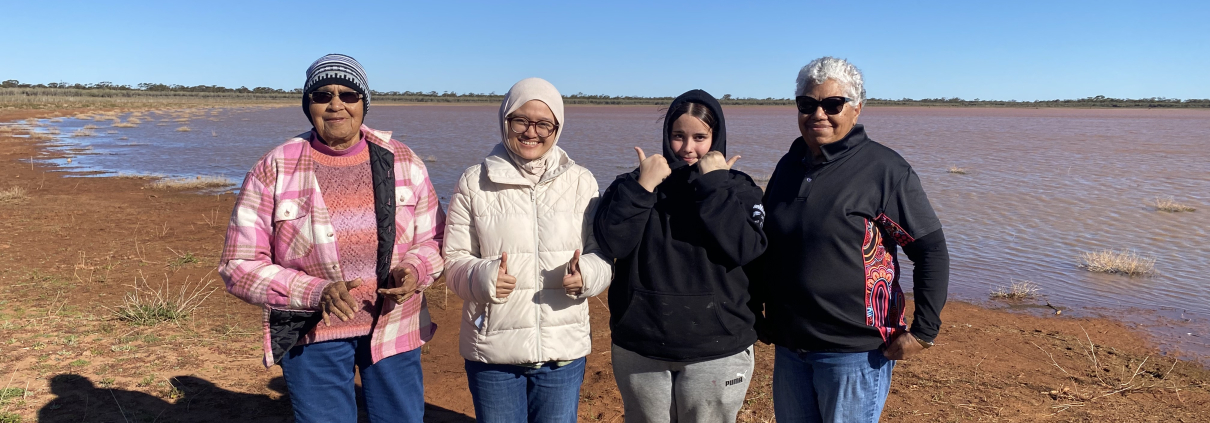
Elders Nana Betty and Nana Maxine, the wise and patient storytellers, shared their inspiring yarns with us. Betty Rose, Maxine’s granddaughter, was always on hand to help with water sampling.
There’s Catrina, the superstar juggling project manager, HR guru, and decision-maker extraordinaire. Then there’s Wayne, nicknamed “Motor Leg” by Nana Maxine—our designated driver and a walking, talking encyclopedia. Then there’s me, just along for the ride.
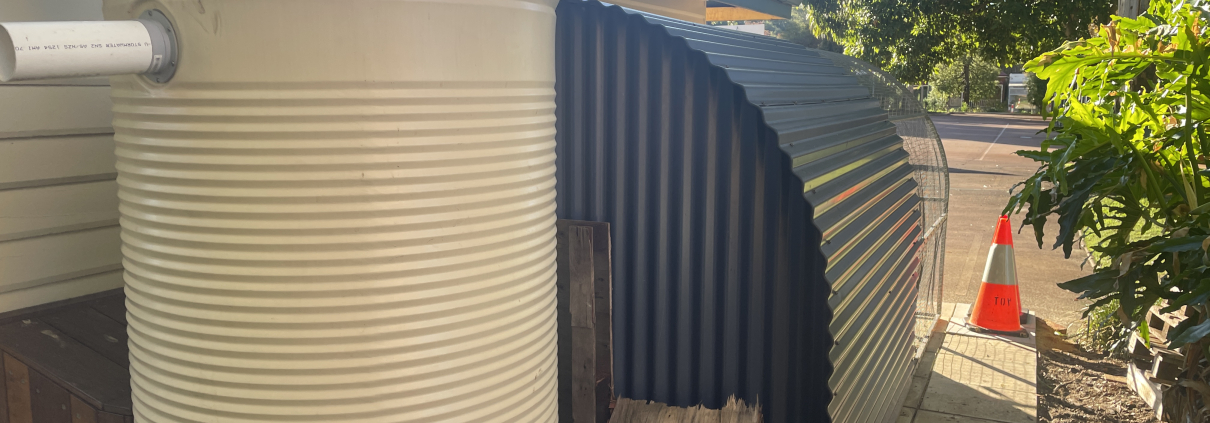
On our fieldtrip out of town we pulled up at a few water spots along the way. First stop was an old gnamma, once a natural rainwater tank, now surrounded by a fence after it was blown up to make a dam. Nana Maxine spun a yarn about how folks in the old camps used it for drinking water—pretty clever, right? Next, we hit Credo, where Betty Rose collected water samples from two dams and a rainwater tank. Behind that tank was an old station house. This station in important as it is where Nana Betty and Nana Maxine grew up! Nana Maxine shared how she lived there with her big family until she was about ten. That house is now a museum, complete with their family photos, and is where the volunteer caretakers live. Not far from Credo’s exit, we checked out another dam, dubbed “Tadpole Creek” after the Nanas’ famous tadpole recipe—don’t ask, it’s a long story!
Then we rolled up to Rowles Lagoon, and whoosh, my memory zipped back to 2017, my first visit here. That was when I tucked into Nana Betty’s kangaroo stew—hands down the tastiest thing I’ve ever eaten! I still brag to my mates, “I’ve scoffed the world’s best kangaroo stew!” and they’re always gobsmacked. At the lagoon, we smashed some sandwiches we prepped as a team. Nana Betty sliced the bread and slathered on the hummus, Betty chopped veggies and avo, Nana Maxine sorted the roast chook, Catrina helped unpack and wrangle avocado pips, and I arranged a cracking fruit platter. Mr. Wayne? He was off birdwatching, as per usual—bloke’s obsessed! He counted 70 black swans, how’s that!
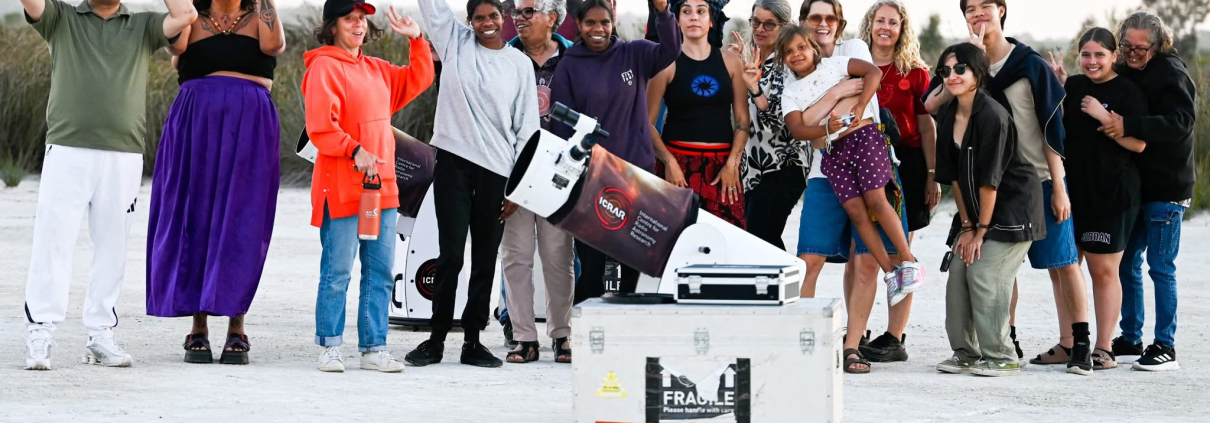
After lunch and a bit of sketching, we tidied up and snapped some pics by the lagoon. My 2017 memory kicked in again—the water here’s shrunk heaps since then.
A family from South Australia rocked up, and Nana Betty, Nana Maxine, and Catrina got chatting about how Rowles Lagoon’s changed. The Nanas reckoned it used to be surrounded by trees, and Catrina mentioned it was once a skiing spot because of all the water. But get this—one of the family said skiing is now banned to protect the environment. Talk about irony! They chopped down trees, turned it into a water tourism hotspot, then shut it down for “conservation.” Fair go, mate!
This trip was a proper eye-opener, and I’m buzzing from it! I learned heaps about how Indigenous people live and thrive out here, and mate, my jaw hit the floor when I found out about these plants! Those spiky buggers I was eyeing? Turns out they’re wattle, part of the acacia family, also called “kurara” or “Dead Finish.” And get this—this type can be ground into actual flour! Then those pale-trunked trees? They’re salmon gums, perfect for chucking on the fire to keep you toasty. But the real kicker? Those shrubs that look like they’ve been sprinkled with donut icing sugar? They’re saltbush, and—plot twist—they don’t taste sweet at all! They’re salty as a bag of chips and used for cooking!
As someone who stands with Indigenous people and their way of life, I was deeply moved by their profound connection to this land. Long before whitefella science came along with its theories, Indigenous people had mastered survival, using the land’s gifts with wisdom passed down through their ancestors. But it breaks my heart to think of the colonisers who arrived, not to learn from these masters of the land, but to dismiss their ways, claiming Indigenous knowledge didn’t align with their so-called “science.” For someone like me, raised on faith and cultural traditions, that’s a gut-wrenching injustice. There are truths in this world that science can’t explain—some things simply are. If beliefs, customs, or ways of living don’t harm anyone, why can’t we coexist with respect for one another? The resilience and wisdom of Indigenous people deserve our admiration, not erasure, and it’s high time we honour their legacy by listening and learning.